
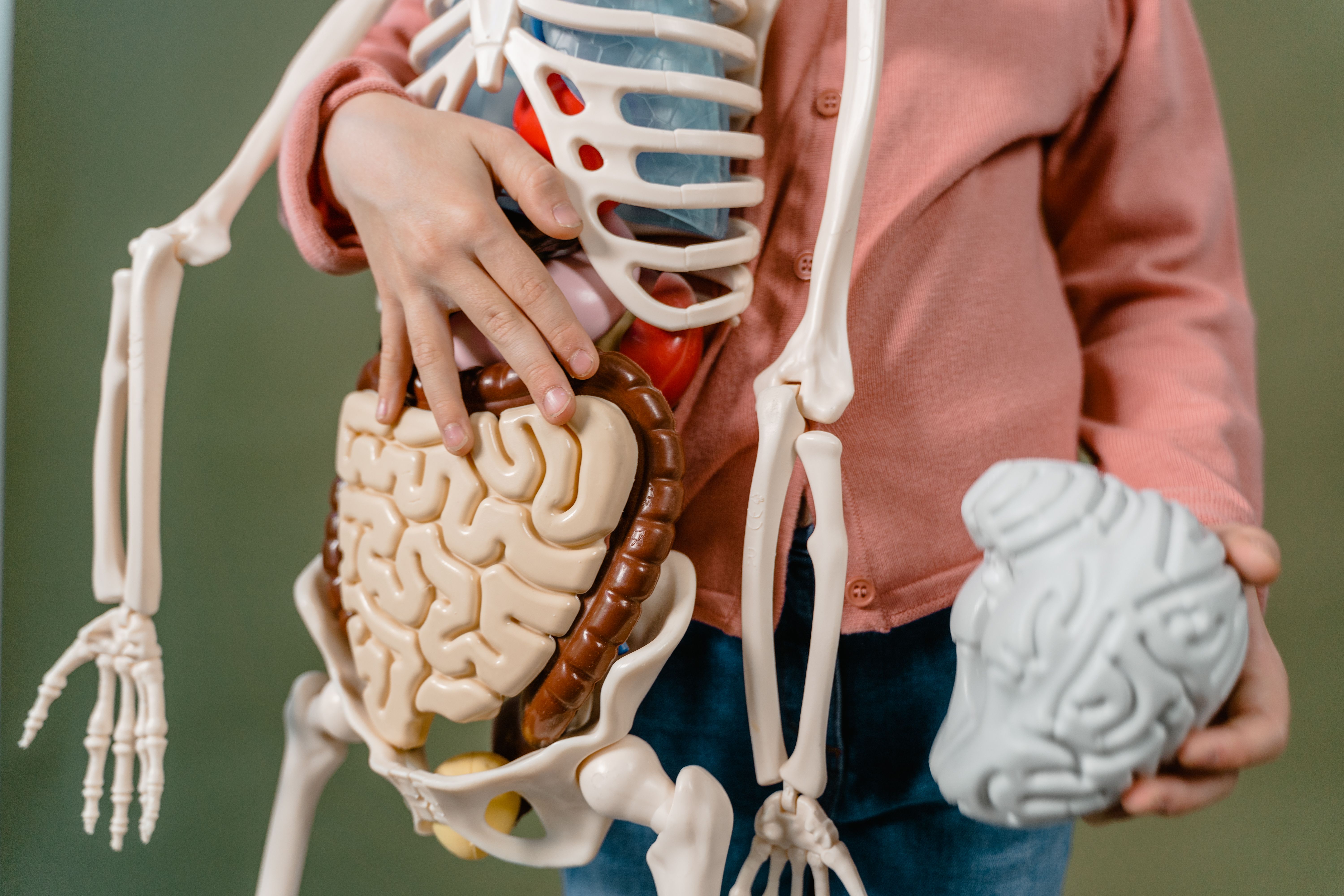
Digestive problems are extremely common and can happen occasionally to anyone. Symptoms such as bloating, indigestion or changes in bowel habits may sometimes be related to diet or lifestyle.
However, symptoms that are persistent, severe, worsening, or associated with other warning signs should not simply be ignored. Understanding when to seek medical advice can help identify underlying digestive conditions early.
When should you seek medical advice?
Persistent or unexplained digestive symptoms deserve professional evaluation, especially when they interfere with your daily life or are accompanied by warning signs.
1. Persistent Heartburn and Acid Reflux
Occasional heartburn can happen after a large or spicy meal. But frequent heartburn, acid reflux or a burning sensation in the chest may require evaluation, particularly if the symptoms keep returning.
Symptoms to watch for
- • Frequent burning sensation in the chest
- • Sour or bitter taste in the mouth
- • Regurgitation of food or stomach contents
- • Difficulty or pain while swallowing
2. Persistent Abdominal Pain
Occasional stomach discomfort may have a simple cause, but abdominal pain that persists, repeatedly returns, becomes severe, or affects your normal activities should be assessed by a healthcare professional.
The location, severity and duration of pain can provide important clues about its possible cause, so it is helpful to describe these details during a medical consultation.
3. Frequent Bloating
Bloating after certain meals can be common. However, persistent or troublesome bloating may be worth discussing with a doctor, especially when it occurs alongside pain, changes in bowel habits or unexplained weight changes.
Keep a simple food and symptom diary if bloating is frequent. Recording what you eat and when symptoms occur may help your healthcare professional identify patterns.
4. Ongoing Constipation
Constipation can sometimes be related to low fiber intake, inadequate fluid intake, changes in routine or reduced physical activity. If constipation is persistent or accompanied by concerning symptoms, medical advice is important.
- ✓ Persistent difficulty passing stools
- ✓ Significant changes in bowel habits
- ✓ Abdominal pain or persistent bloating
5. Frequent Diarrhea
Diarrhea may occur temporarily because of infections, dietary changes or other causes. But ongoing or recurrent diarrhea can lead to dehydration and may indicate an underlying digestive problem.
Seek medical advice if diarrhea persists, repeatedly returns, or is accompanied by significant pain, fever, blood in the stool or signs of dehydration.
6. Blood in the Stool
Blood in the stool should not be ignored. Although there can be several possible causes, including conditions that are relatively minor, blood can also be associated with more serious digestive conditions.
Don't delay medical evaluation
If you notice blood in your stool, particularly if it is recurrent or accompanied by other symptoms, contact a healthcare professional.
7. Unexplained Weight Loss
Losing weight without intentionally changing your diet or activity level can sometimes be a sign of an underlying health problem. Unexplained weight loss combined with digestive symptoms deserves medical attention.
8. Difficulty Swallowing
Difficulty swallowing, a sensation that food is getting stuck, or pain while swallowing should be evaluated by a healthcare professional, particularly if the problem persists or worsens.
Warning Signs That Need Prompt Attention
- • Blood in vomit or stool
- • Severe or worsening abdominal pain
- • Persistent vomiting
- • Unexplained weight loss
- • Difficulty swallowing
Final Thoughts
Digestive symptoms are common, but persistent or unusual changes should not be dismissed. Paying attention to your symptoms and seeking appropriate medical advice can help identify potential problems and guide the right treatment.
If you are experiencing ongoing digestive problems, consider discussing your symptoms with a gastroenterology specialist for a proper evaluation.